
Finally feeling enough and worthy of love
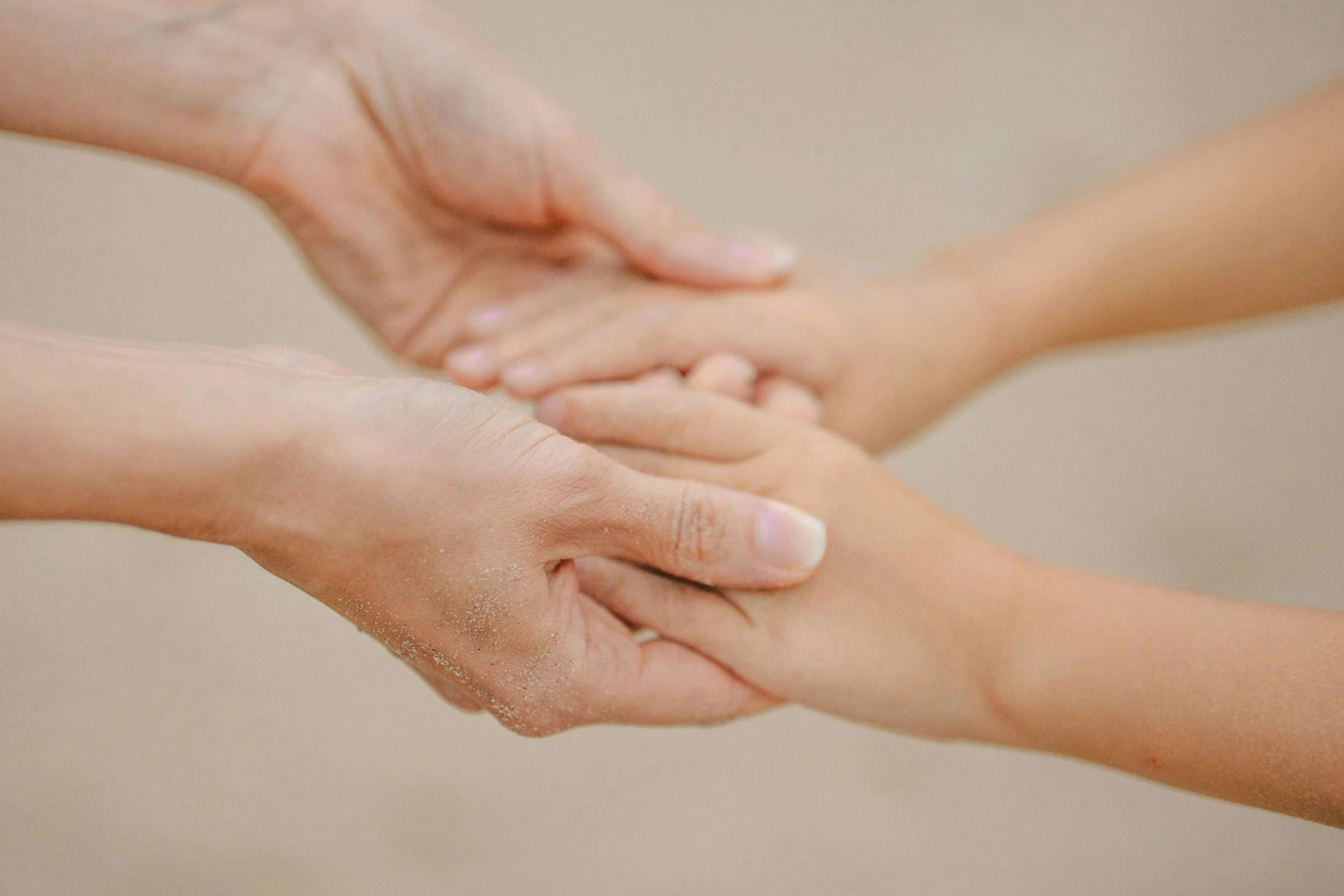
Attachment Based Therapy in Orange County and across California

HOW ATTACHMENT FORMS
*
HOW ATTACHMENT FORMS *
Even in loving families, stress, inconsistency, illness, divorce, or overwhelmed caregivers can shape how secure we feel in relationships.
These patterns are not personality flaws. They are adaptations your brain created to survive and stay connected.
And they can change.
Attachment patterns begin early in life.
Through thousands of small interactions, our nervous system learns:
Am I safe with others?
Will someone come when I need them?
Do I have to handle everything on my own?
YOU ARE LOVED
SHOWS IN ADULTHOOD BY:
Attachment wounds don’t disappear with age.
They show up in dating, marriage, friendships, and even at work.
You repeating the same relationship dynamics
You shutting down or pulling away
Your reactions that feel bigger than the situation
You fear of being too much or not enough
You need constant reassurance

Many people try to “logic” their way out of these patterns.

THE FOUR ATTACHMENT STYLES
*
THE FOUR ATTACHMENT STYLES *
Secure Attachment
You likely feel comfortable with both closeness and independence
Your communication needs are open
You trust your partner without constant fear
You move through conflict and reconnect
You feel worthy of love
Avoidant Attachment
You learned that depending on others might lead to disappointment or loss of control.
You value independence above all
You feel overwhelmed when someone needs a lot from you
You struggle to express emotions
You pull away when things get serious
You prefer to handle situations on your own
Underneath is often a wish for connection that feels safer and easier.
Anxious Attachment
Connection is deeply important to you, but it can also feel fragile.
You replay conversations in your head
You worry about being abandoned
You crave reassurance
You panic when someone pulls away
You wonder if you’re too needy or emotional
Underneath it all is a strong desire to feel chosen and secure.
Disorganized Attachment
Part of you wants closeness, and part of you is afraid of it.
You move between pursuing and distancing
You fear abandonment but also fear being hurt
You feel unsure what you want in relationships
You experience intense emotional reactions
You have a history of trauma or chaotic caregiving
This can feel confusing and exhausting.
But attachment lives in the nervous system, not just the mind.
EMDR + INNER CHILDHOOD WOUNDS
*
EMDR + INNER CHILDHOOD WOUNDS *
Eye Movement Desensitization and Reprocessing helps the brain reprocess earlier experiences that taught you relationships were unsafe.
Instead of just talking about patterns, we help your nervous system update them.


Clients often notice they:
react less intensely
feel calmer in conflict
choose healthier partners
stop chasing unavailable people
feel more secure asking for needs
Quick Quiz: Which Attachment Style Sounds Most Like You?
There is no perfect score, just notice what feels familiar.

you fear people will leave
you need reassurance to calm down
distance feels unbearable
you overanalyze communication
A
too much closeness feels suffocating
you shut down during conflict
you pride yourself on not needing others
emotions feel hard to access
B
you want love but don’t trust it
you move toward then away from people
relationships feel intense and unstable
you fear getting hurt but also being alone
C
closeness feels good and manageable
you can depend on others and yourself
conflict doesn’t threaten the relationship
you feel worthy of love
D
Most people see themselves in more than one
A. Anxious; B. Avoidant; C. Disorganized; D. Secure

FAQ’s for Attachment based therapy in orange county, ca
-
Attachment based therapy in Orange County focuses on how your early relationships shaped the way you experience safety, trust, and connection today. Together, we gently explore those patterns and begin to create new ways of relating that feel more secure and supportive.
-
This approach looks closely at your relationships, both past and present. Instead of only focusing on symptoms, it helps you understand why certain patterns keep showing up and how to shift them in a way that actually feels lasting.
-
It can support anxiety, relationship struggles, low self-worth, and the impact of early emotional wounds. It’s especially helpful if you notice patterns like people-pleasing, fear of abandonment, or difficulty trusting others.
-
Not at all. We move at your pace. This work is about creating a sense of safety first, so you don’t feel pushed to go anywhere you’re not ready to go.
-
Sessions are collaborative and grounded. We might explore what’s coming up in your current relationships, notice patterns together, and build tools that help you feel more regulated and connected in real time.
-
Yes. Attachment based therapy in Orange County can be especially helpful for understanding how your early experiences influence how you show up in relationships today. From there, we work on building healthier, more secure ways of connecting.
-
That’s actually something we work with often. There’s space here to gently reconnect with your emotions in a way that feels manageable, not overwhelming.
-
There’s no set timeline. Some people begin noticing shifts fairly quickly, while others take more time to work through deeper patterns. The pace is always guided by what feels sustainable for you.
-
Attachment based therapy is rooted in attachment theory, a well-established framework in psychology that helps explain how early relationships shape emotional and relational patterns over time.
-
If you find yourself repeating the same patterns in relationships or feeling stuck in old emotional cycles, Attachment based therapy could be a supportive place to start. You don’t have to figure it out on your own. Starting with a consultation can help you get a sense of what feels right for you.